
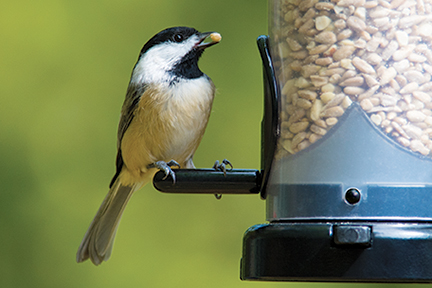
Mealworms Are for the Birds
Many birds eat insects naturally, so feeding mealworms to birds is a natural choice. Plus, you'll enjoy watching birds such as phoebes, vermilion flycatchers, wrens, towhees, woodpeckers, warblers, thrashers, and others devour these mouthwatering morsels!
 Mealworms are the larvae of the beetle Tenebrio molitor. The larval stage typically lasts 10 weeks. To keep the larvae dormant, refrigerate them at 40 to 50 degrees Fahrenheit (lower temperatures can kill the larvae). You can keep mealworms for several weeks, and they will remain dormant.
Birds typically look for food around the same time each day, so you can place worms in a feeder or tray at the same time the birds regularly visit. Make sure the birds can access the feeder but that the worms can't crawl out! Some Wild Birds Unlimited feeders to consider are the Universal Mealworm Dish and the Good Morning Bluebird feeders. Mealworms are a great way to attract birds that don't ordinarily come to seed feeders.
Let our bird feeding experts show you how to get started offering mealworms in your yard!
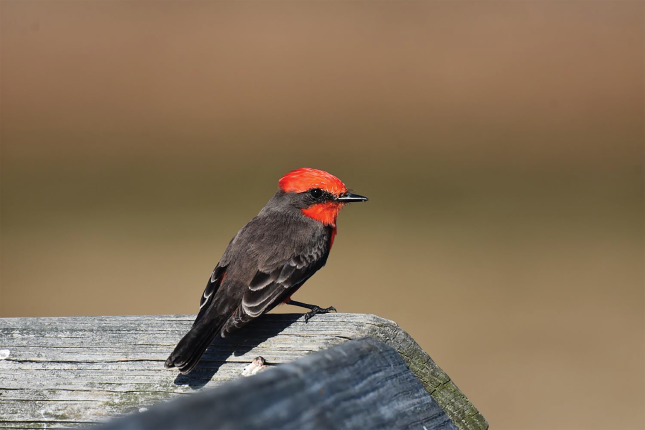
♥️ Vermillion Flycatcher
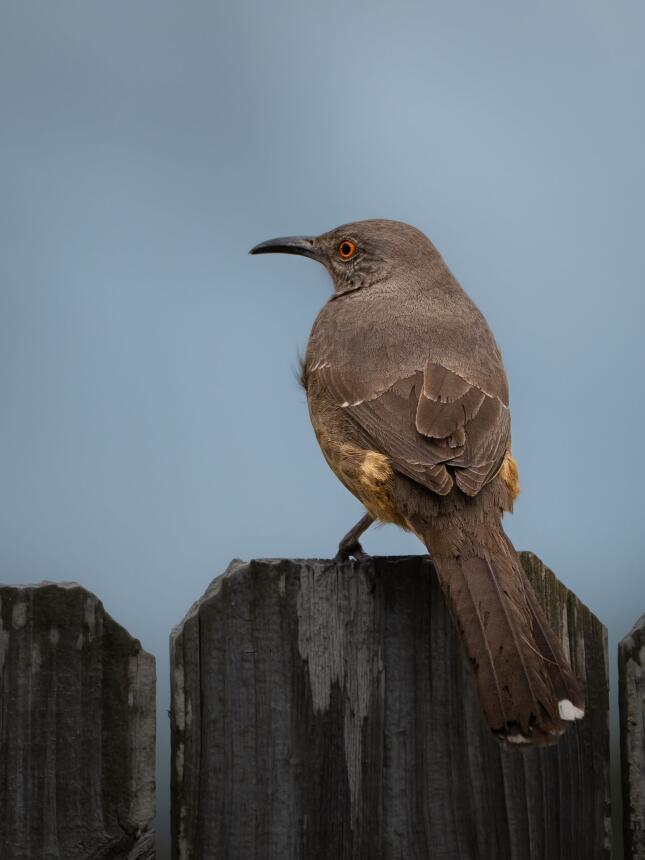
Curve-billed Thrasher